


Brevard experts say not all late-night screen time is the same
New research reveals that passive late-night scrolling may be signal of emotional distress and an indicator of increased suicide risk the next day.
One of the most important shifts happening in healthcare is the integration of physical health and behavioral health. At Newport Mental Health, this isn’t a new idea. It’s something we’ve known for a long time: behavioral health is health.
Panic attacks, anxiety, or post-traumatic stress disorder (PTSD) affect 56% of our clients. While people often think that these disorders exist only “in the mind,” anyone who has experienced them knows this isn’t true. These conditions show up in the body as much as they do in our thoughts. To truly help people heal, treatment requires an integrated approach that recognizes the deep connection between mind and body and supports the whole person, not just their symptoms. This is the work we do every day.
The physical responses of anxiety, panic attacks and PTSD
All three conditions activate the autonomic nervous system. “It’s the fight or flight response,” says Dr. Joshua Brown, MD, PhD, Medical Director for Newport Mental Health. “They are a maladaptive response to your environment.
“Anxiety is something that can be there perpetually,” says Brown. “That’s very different from a panic attack, which lasts for a discrete period of time and is much more intense.” When we experience a panic attack, “our nervous system is responding without any influence from our thinking,” he says. “It can cause things like chest tightening and feeling like we can’t breathe. A lot of people go to the emergency room thinking they’re having a heart attack.”
It often surprises people to learn that a panic attack is usually short-lived. Research at the Cleveland Clinic shows that an attack usually peaks within 10 minutes and then begins to dissipate. Another key feature is how sudden they feel. Unlike anxiety, which often builds over time around identifiable worries, “with panic, it seems to be totally random,” Brown explains. That unpredictability can lead people to live in constant fear of the next episode, which increases the likelihood of more attacks.
“Fight,” “flight,” and now research has identified “freeze” and “fawn” as reactions in those diagnosed with PTSD, says Dr. Philip Schmitt, MD, psychiatrist with Newport Mental Health. The freeze response can look like shutting down and becoming still, and “fawn” may appear as going along with everything to avoid conflict.
“PTSD is a destabilization of a traumatic memory,” says Schmitt. “Typically, the brain can put things into perspective, but PTSD totally changes your worldview. It affects the whole nervous system, and you experience persistent, distorted views about the cause and consequences of any future stress you experience. This is the mind-body interconnection, and there are some real physiological changes in the body and how you respond to things.”
The child’s reaction to stress
Children also experience panic attacks and anxiety, says Stephanie Lujan Rickerman, PMHNP, Director of Children’s Services. “The symptoms can look very similar to an adult’s: heart racing, feeling outside of yourself, like something’s unreal, feeling like you’re dying. Children might also have stomach aches, body tension, tingling, hot or cold sensations, and an overwhelming sense of fear and doom.”
Children might cry, but it can also show up as sudden behavioral outbursts, which are often misunderstood. “We’re more likely to comfort a crying child, but when a child explodes out of nowhere, our first response might be to discipline rather than offer support,” says Rickerman. “Trying to rationalize or change behavior in that moment isn’t going to work. Their brain is in full fight-or-flight. The best thing to do is assure them: ‘You’re OK. You’re safe. This will pass.’ Help regulate their breathing and calm their body.”
Recovery is possible
Just like other manageable health issues, diabetes, for example, outcomes are better when we address the problem early. We don’t talk about behavioral health this way often enough, but we should. If someone learns what’s happening and how to respond during the first episodes of panic or anxiety, it’s far easier to interrupt the cycle. Recovery is possible with skill-building and evidence-based treatment, with medication as a support when needed.
At Newport Mental Health, we see therapy as collaborative. Brown describes it this way: “I think of therapy as training for our brain in the same way that we would have a personal trainer help us with strengthening certain muscle groups. We work with each individual to help them learn how to recognize early warning signs, regulate their breathing, and reinterpret physical sensations so they don’t spiral.
“I think the cure for anxiety and the cure for panic is therapy,” he says. “I would consider it cured when I’m having a panic attack, but it has no power over me. I might need five minutes to just breathe through it, but fear of a panic attack is not controlling my life. That’s when they start to fade. The same goes for anxiety. Everyone has worries, and the goal isn’t to have zero concerns. The goal is to manage the concerns, so they don’t take over my life.”
“Children can absolutely learn how to manage their anxiety and free themselves from panic attacks,” Rickerman agrees. One of the most practical tools she shares is helping children create a simple internal script to respond to panic sensations. “We teach kids to say, ‘My body is tricking me. My body thinks it’s in danger, but I’m actually okay.’”
Parents play a powerful role by modeling how they handle worry and stress in everyday life. “When kids see that mom and dad worry too, and manage it, it helps them feel less alone,” she says.
PTSD is more complex, but recovery is still possible. “You can relearn things predictably with counseling,” says Schmitt. “You put the traumatic memories more in context and learn more about the accurate memories.” Other therapies such as cognitive processing and eye movement desensitization and reprocessing (EMDR), and exposure therapy are also effective. “The process is fascinating,” says Schmitt. “But you have to have the right type of therapist who knows what they’re doing and carefully prepare the patient for whatever type of approach you’re going to use.”
With the right support, adults and children can learn to understand their bodies, calm their nervous systems, and regain a sense of safety and confidence in their daily lives. At Newport Mental Health, we are honored to walk alongside individuals and families on that journey, offering compassionate, integrated care at every stage of life. If you or someone you love is struggling, we encourage you to reach out.
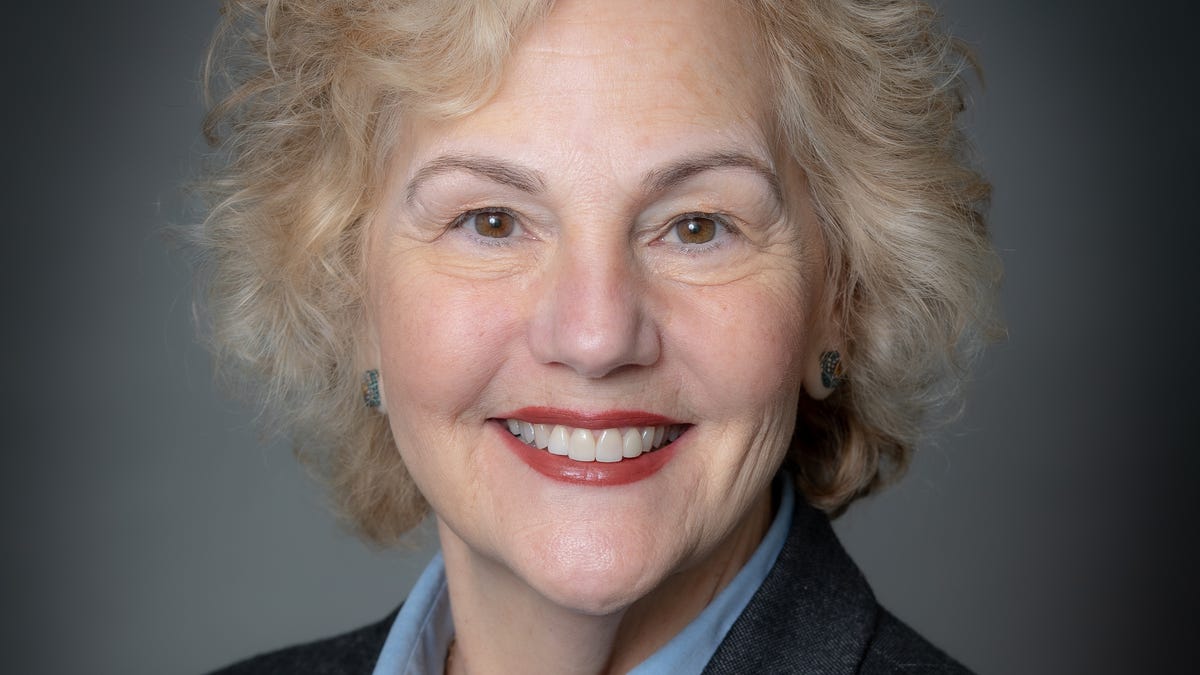
Dayna Gladstein is President & CEO of Newport Mental Health in Middletown. Peace of Mind, which is co-written with Kristan McClintock, and appears monthly in The Newport Daily News and on newportri.com.
Newport Mental Health is seeking additional members for its Consumer Advisory Council. If you’re interested in helping shape the future of behavioral healthcare in Newport County by attending monthly meetings, please contact Emily Costa, [email protected].
link